
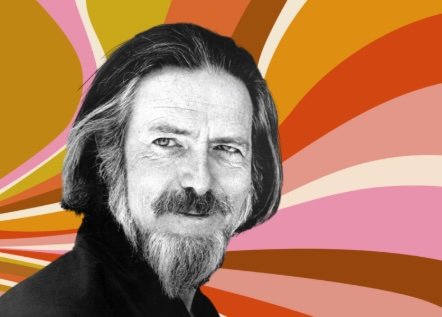
“The desire for security and the feeling of insecurity are the same thing.”
- Alan Watts
Wealthy American families are asking themselves deep questions today, as our role in the world appears to be changing. Headlines out of Washington appear to confirm warnings from elder statesmen including Ray Dalio, the founder of one of the world’s most successful hedge funds, Bridgewater Associates. In his books, videos, and interviews, Dalio highlights the circumstances that he believes defines the downfall of American hegemony into what he regularly refers to as a Changing World Order. It’s just one model, but the bread crumbs we can discern in global events reveal a clear path.
So, what to do?
From a technical perspective, we manage into these changes with a series of tools that provide flexibility and optionality, including: investment strategies in hard assets, stable currencies, and resilient companies, estate structures that protect assets and privacy, and citizenship optionality, including global custody and multiple passports.
However, a lingering discomfort often remains. Once you believe your family is protected and that you have choices in the event that economic, policy, or cultural conditions turn for the worse, a new round of questions may arise.
While it’s often reassuring to quickly jump to the security of conclusions in a dynamic circumstance, it’s worth sitting for a longer while with the questions. 20th Century philosopher Alan Watts highlighted a paradox worthy of deeper consideration in his book “The Wisdom of Insecurity.” It’s exactly the desire for security that creates the anxious feeling of insecurity.
By accepting uncertainty, we open ourselves to flexibility and resilience, which can often lead to insights and purpose that are overlooked in a race to feeling safe. The comfort that comes from sophisticated infrastructure provides ua the time and opportunity to sit more deeply in this paradox. Cultivating an internal comfort with “not knowing” can allow opportunities to arise.
Applied Philosophy?
As a simple thought experiment, let’s say (completely hypothetically) that it became clear that the government was preparing to sell public land adjacent to the family ranch in Montana. In the traditional model, the dad might quickly decide “this is going to be bad, we better prepare to fight this decision,” or they might prepare to sell the ranch. However, by sitting with the discomfort of the uncertainty, new points of view may come into form: a new investment structure, a philanthropic land trust, a regenerative agriculture initiative. What once felt like a threat might reveal itself as a calling.
Where Do We Go From Here?
While wealth can be wielded like a shield, it can also be a compass. It enables us to remain responsive rather than reactive, curious rather than closed. This creates preferences:
• Dynamic scenario planning, not rigid predictions.
• Legal structures with guardrails, not cages.
• Global mobility, paired with grounded presence.
• Investment frameworks that reflect purpose, not just returns.
Above all, we can cultivate the one quality most essential in a rapidly changing world: a mindset that can hold complexity, move with change, and act from purpose—not fear.
Security doesn’t come from knowing what happens next. It comes from knowing you’re prepared to meet whatever comes—with clarity, courage, and the support to do so wisely.